
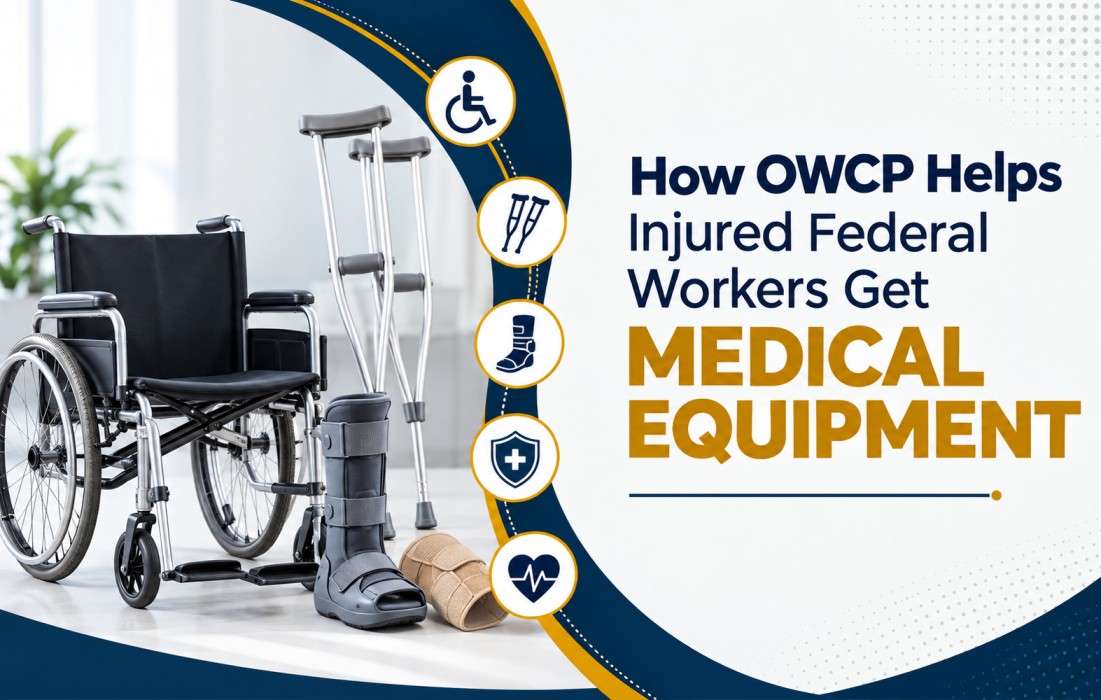
When a federal employee is injured or has a medical condition due to work, healing may include more than doctor visits and medicine. In some situations, medical tool can make routine activities simpler, improve safety, and support a staff member’s return to normal function. The Office of Workers’ Compensation Programs OWCP Department of Labor Medical Equipment offers medical benefits for qualified federal staff whose work-based conditions are approved under the federal staff’s compensation program.
Understanding OWCP Medical Benefits for Federal Employees
OWCP medical benefits are designed to support qualified federal staff in getting treatment for accepted work-based injuries and illnesses. Based on the staff’s medical requirements, gains may include physician services, therapy, and doctor-ordered treatment, medical materials, and some types of medical tools. Medical equipment is usually considered when it has a direct connection to the staff’s accepted condition and is required as a part of treatment or healing.
When Injured Workers May Need Durable Medical Equipment
An injury can temporarily or permanently impact a staff’s ability to move, stand or finish usual daily activities. A stable medical tool may help address these restrictions. For instance, someone healing from a serious leg injury may need a walker or mobility aids, while another staff member may need a brace to support an injured joint. The requirement for tools depends on the nature and extremity of the work-based condition.
Common Equipment Available for Work-Related Injuries
The equipment related to a work-based injury can differ considerably. Mobility-based items may include crutches, walkers, mobility chairs, orthopedic supports, support devices or other devices that help with movement and stability. Based on the accepted condition, specialized tools may also be suggested for respiratory support or other medical requirements. The particular thing requested should align with the staff member’s medical condition instead of just being a preferred product.
How Medical Necessity Supports an Equipment Request
Medical necessity is a super important consideration when requesting tools through OWCP. A physician’s documentation should make the link between the staff’s accepted work-based condition and the requested tool clear. A powerful medical explanation can describe the staff’s symptoms or restrictions, find the suggested equipment, and clarify how the tool will assist with treatment and flexibility, security or healing.
Steps to Obtain Equipment Through OWCP
The process usually begins with a conversation between the injured staff and their treating physician. In case the physician determines that the tool is needed, the medical provider or tool supplier can organize the relevant request. The request should contain precise information about the tool and the medical reason for its use.
Choosing the Right Medical Equipment Provider
The equipment provider can has a very important role in making the procedure simpler. Staff should look for a provider that learns the federal staff’s compensation system and is popular with OWCP billing and authorization procedures. A skilled provider can help find the relevant equipment, communicate with the medical professionals, and submit the required documents perfectly. Before agreeing to equipment, staff should also ensure that the product aligns with the physician’s suggestion and that the need for authorization has been addressed.
How Proper Documentation Can Support Your Claim
Good documentation can make a tool request simpler to understand. Medical records should show the nature of the accepted injury and clarify why the requested tool is needed. Prescription information, physician reports, tool details and authorization records may all be purposeful. Staffs should keep copies of documents merged with their request and communication with their healthcare professionals if added information is required.
Getting Continued Support During Your Recovery
Healing does not often follow a straight path. A staff member may initially need basic tools and later require a different device since their condition changes. In other situations, equipment may be required for a longer period of time than originally expected. Staff should discuss changing equipment needs with their treating physician instead of buying a replacement without assistance. Updated medical documentation can clarify why continued or various equipment is needed.
