
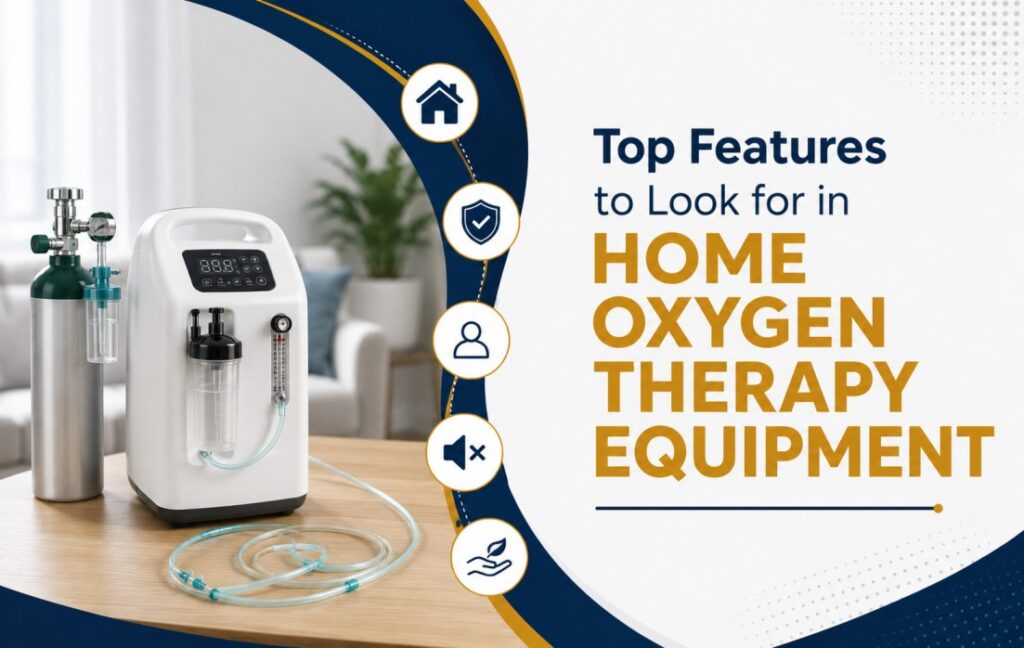
Selecting the right home oxygen therapy tool can cause oxygen treatment more comfortable and feasible. Regardless of whether oxygen is needed throughout the day or mainly during rest, the tool should match individual oxygen requirements and daily routines. Considerations such as oxygen concentration, flow settings, mobility, safety, care and stability all impact the entire experience. Knowing these characteristics before opting for a gadget can help users and caregivers select equipment that helps consistent oxygen therapy.
Understanding Your Oxygen Delivery Needs
Here comes the foremost step in opting for home oxygen therapy equipment is learning the prescribed oxygen demands. Different users may demand various oxygen flow rates and durations of treatment. A healthcare professional can find the relevant oxygen prescription depending on personal needs. The tool should then be chosen based on that prescription, depending on individual needs. Think of whether oxygen is required consistently, during sleep, while around the home or during particular activities. Knowing these needs helps often make sure the equipment can offer relevant oxygen continuously without making unwanted difficulties in routine use.
Oxygen Concentration and Performance
Oxygen level is a super important component when checking oxygen therapy equipment. A trusted device should continuously offer the oxygen concentration demanded for the prescribed therapy. Performance can be affected by operating conditions, usage patterns, and equipment care, so reliable operation is super important. Users should also consider how rapidly the equipment reaches its intended performance level and whether it can maintain output during prolonged use. Choosing equipment made for continuous performance can offer peace of mind. Always check technical requirements with the oxygen suggested by a skilled healthcare professional.
Flow Settings and Oxygen Delivery Modes
Adaptable flow settings can make the oxygen tool more fit for various therapy demands. Based on the prescribed treatment, users may require consistent flow oxygen or another delivery mode. Equipment with clearly verified and simply changeable settings can make routine operation simpler. Yet oxygen flow should never be shifted without right medical assistance. It is also useful to consider whether controls are simple to understand, particularly for older adults or caregivers. Clear displays, accessible controls and simple operation can minimize challenges and help users stick to their prescribed oxygen therapy routine more consistently.
Portability and Everyday Convenience
Mobility can notably impact how users include oxygen therapy into routine life. Compact and weightless equipment may be simpler to move between rooms or away from the home when needed. The right choice depends on lifestyle and how consistently the equipment needs to be moved. Someone who stays mostly at home may choose silent operation and simple room to room movement, while an active user may place greater significance on lightweight construction and portability. Functional design can make long term oxygen treatment less disruptive.
Safety and User-Friendly Features
We all know that safety must be a priority when opting for a home oxygen therapy tool. Gadgets should be used according to supplier guidelines and medical advice, specifically because oxygen helps combustion. User-friendly controls are similarly important since complicated operation can increase the probability of errors. The equipment should also be operated in the right environment away from flames and other ignition sources. A combo of trusted safety characteristics and easy controls can make home oxygen therapy simpler to supervise assuredly.
Power Supply and Battery Backup
Trusted power is super important for oxygen equipment that counts on electricity. Before opting for a device, consider its power demands and whether it can operate from multiple power sources when relevant. Battery backup can be specifically useful during travel, short power disruptions or situations where access to a standard electrical outlet is restricted. Battery duration should be considered along with the user’s usual oxygen demand and prescribed usage.
Cleaning, Maintenance, and Durability
Regular cleaning with care often help oxygen equipment stay trusted and hygienic. Users should know which elements always demand regular cleaning or checkups and how consistently these tasks should be completed. Tools with available parts and simple maintenance demands can be easier to supervise as time goes on. Stability is another important consideration, particularly when tool is used for many hours each day. Verifying the manufacturer’s maintenance guidelines, service help, warranty coverage and replacement-part accessibility can support users make a more updated choices.
Frequently Asked Questions
What should I consider when choosing home oxygen therapy equipment?
Which oxygen equipment features are most important for daily use?
How do portability and battery life affect oxygen equipment?
What safety and maintenance features should I look for?
We all know that selecting home oxygen therapy equipment demands considering oxygen delivery, flow settings, security and stability. With expert medical help users can opt for a trusted tool that helps with prescribed therapy while giving greater comfort in routine.
